





Martinelli Luce for Musée d'Orsay

To mark the fortieth anniversary of the opening of the Musée d'Orsay
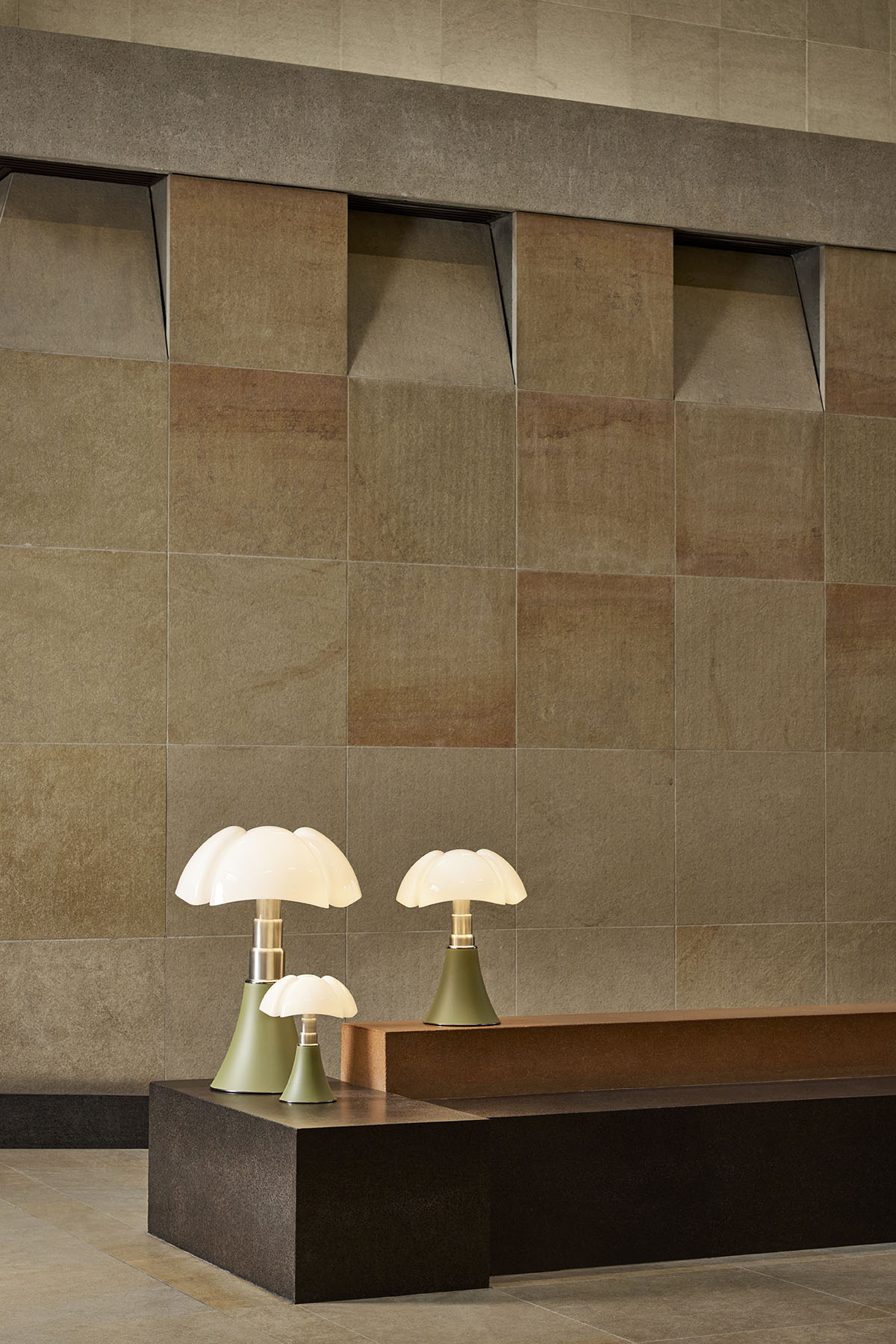
Martinelli Luce and the famous Parisian institution are launching a special version of the Pipistrello lamp, designed by Gae Aulenti in 1965, the same architect who participated in the transformation of Orsay station into a museum.
An icon's surface that translates a museum detail
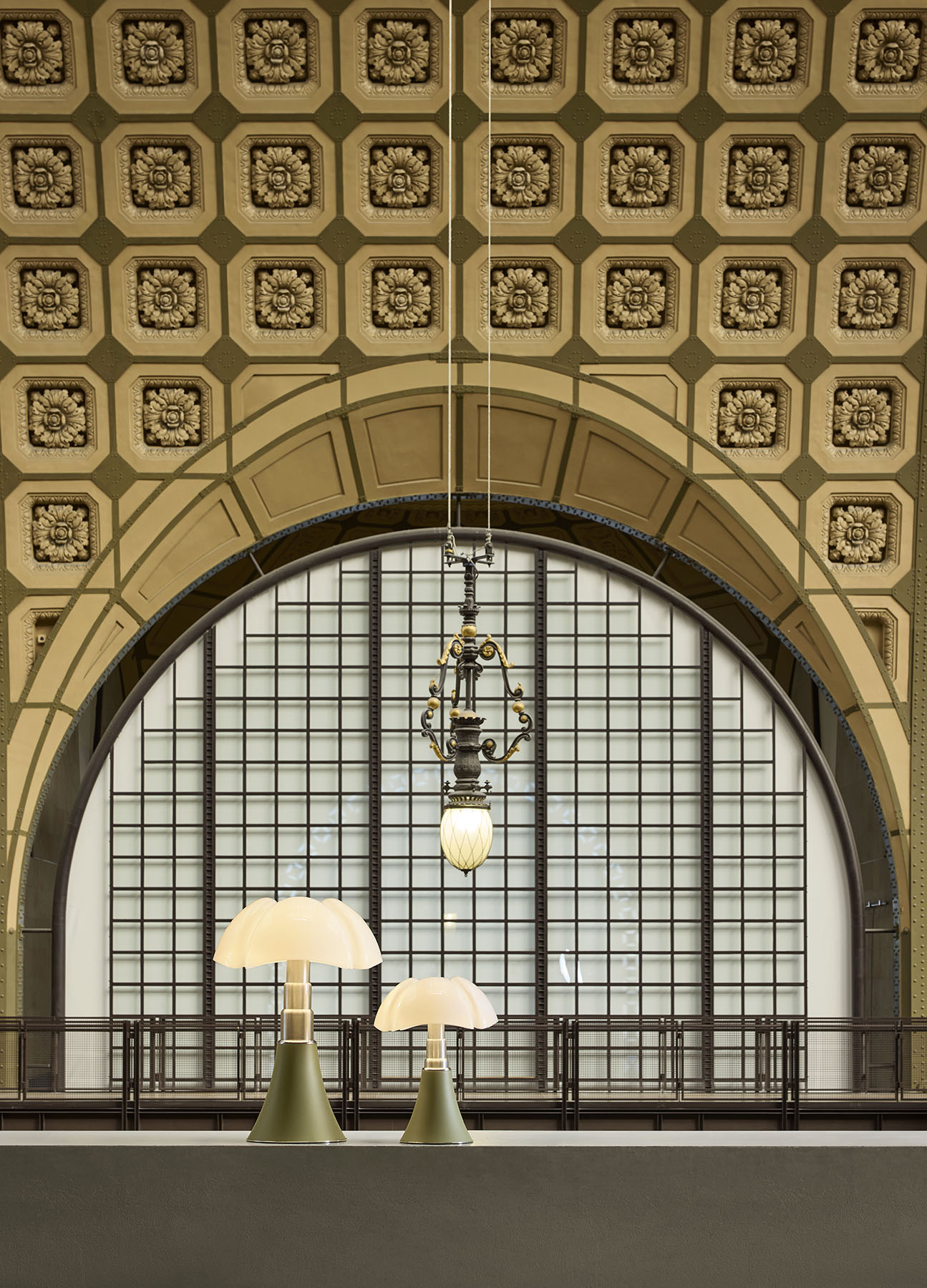
This special edition of the Pipistrello lamp has a finish inspired by a distinctive architectural detail of the interior of the Musée d'Orsay.
It actually adopts the gentle, textured green color of the museum's nave vault. A subtle and identifiable reference emerges when architecture transforms into an item devoid of any decorative elements in the literal meaning of the word, instead becoming the transfer of a piece of story and atmosphere.
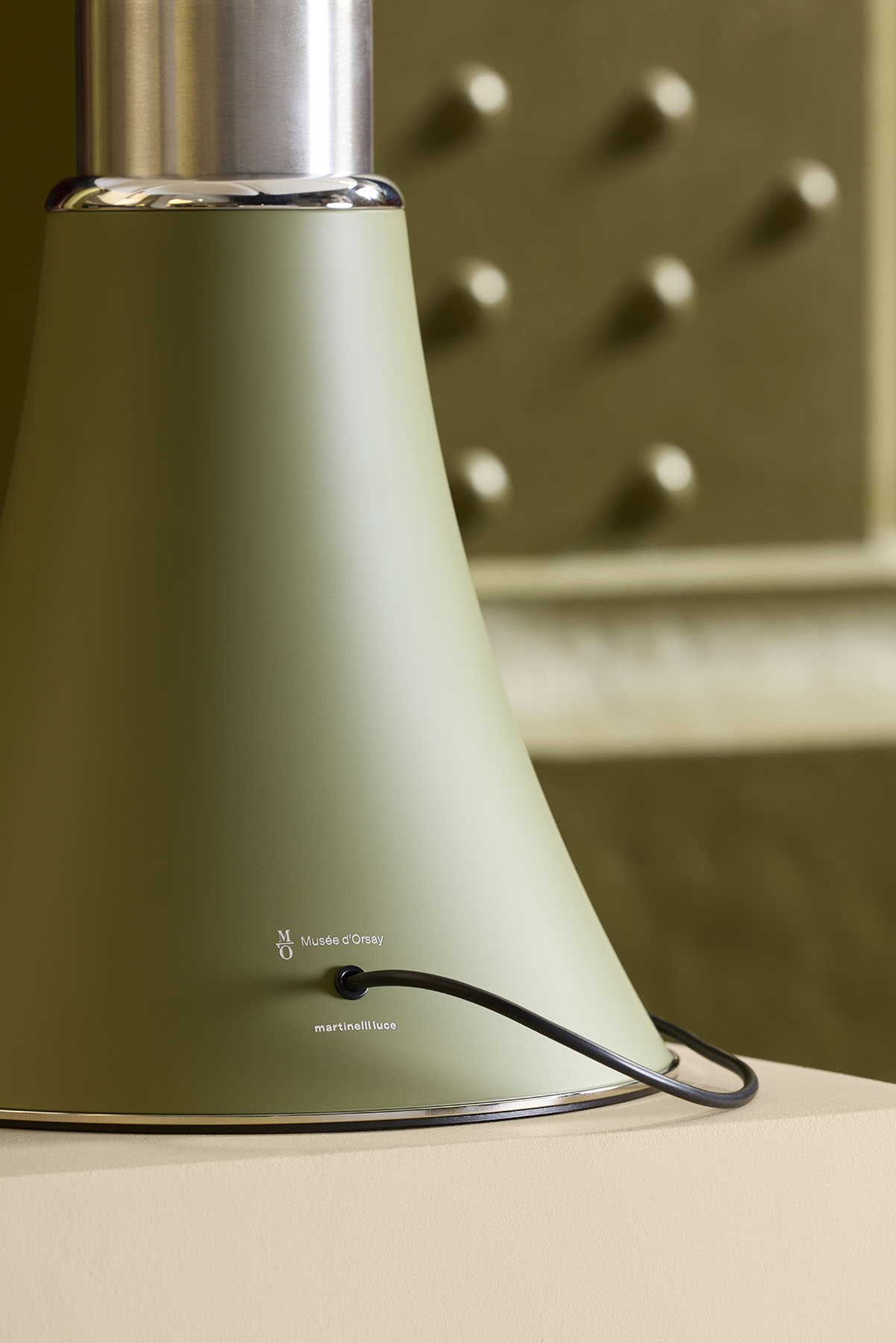
A shared logo
The connection between the two institutions is ultimately sealed by the engraving of the logos of the Musée d'Orsay and Martinelli Luce on the lamp's cone.


Gae Aulenti, between Musée d'Orsay and Pipistrello
The Musée d'Orsay is one of the most significant examples of architectural conversion of the XX century. Formerly a railway station in 1900, the gare d'Orsay, the building was converted in the 1980s into a museum dedicated the 19th century western art. Gae Aulenti signed the interior architecture enhancing the existing structure of the station transforming it to incorporate an exhibition itinerary that guides visitors through the collection's masterpieces.
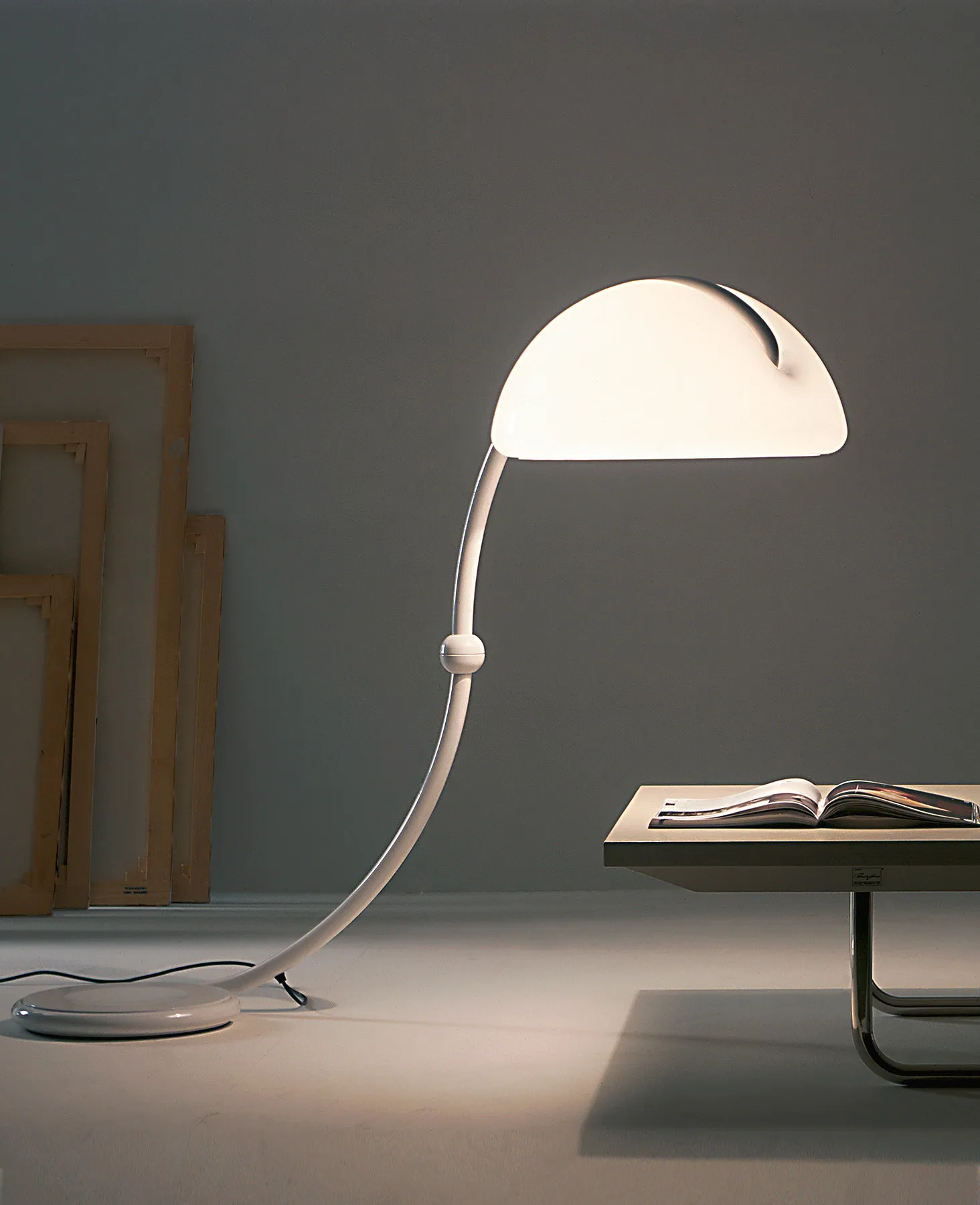
Twenty years before this assignment, in 1965, Aulenti designed the Pipistrello lamp for the Olivetti showroom in Paris and produced it by Martinelli Luce. Innovative in design, materials and technical solutions, it required a complex phase of development, especially for the telescopic mechanism and for the pioneering use of methacrylate. Ahead of its time, Pipistrello would win over audiences in the following years, becoming one of the most recognizable icons of Italian design.


• Choosing a design object that reveals its value over time
• Choosing an authorial signature that doesn't wear out with trends
• Choose a lamp that continues to speak even when interiors, languages, fashions change.